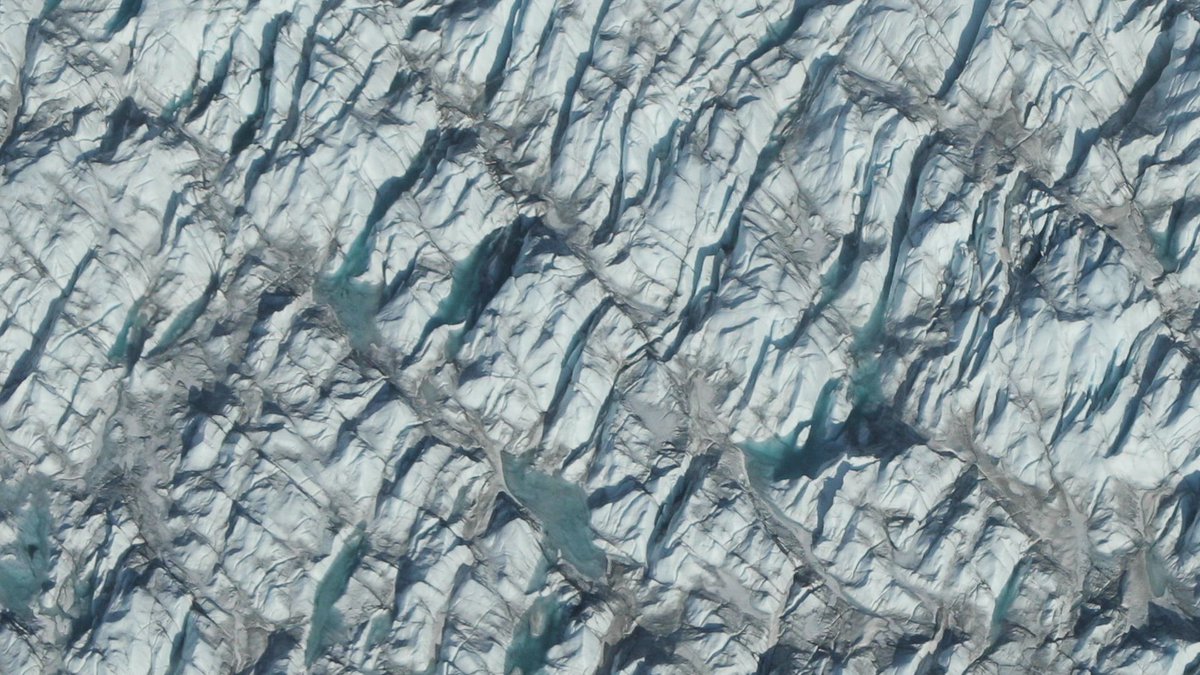
Great news! Humankind’s greatest-ever engineering project is nearing completion. Soon we will have warmed the Earth enough to get rid of all those pesky ice sheets and other frozen areas. The finish line is in sight.
If we all work together for the next thousand years, we’ll finally reach our goal!
NASA has been tracking our progress and in a recent press releaseconfirmed what optimists have been thinking quietly to themselves for a while now. At our current rate of global carbon emissions, significant portions of the planet will be ice free in a quick-as-a-wink millennium.
Not only that, but humanity’s parallel effort to raise the sea levels are looking real good, too.
New data from NASA’s Operation IceBridge program shows that the melting Greenland ice sheet will raise global sea levels more than previously thought. According to a computer model in a new study, only 200 years of melting at the present rate could contribute from .48 to 1.6 meters (19 to 63 inches) to global sea level rise.
This is fantastic news for the project, because these numbers are at least 80 percent higher than previous estimates, which only forecast up to 35 inches of sea level rise from Greenland’s melting ice.
If this sounds too good to be true, and makes you question the methods behind this new study, read on.
The team of researchers behind this new study is from the Geophysical Institute at the University of Alaska Fairbanks. The lead author is Andy Aschwanden, a research associate professor at the Institute.
The team ran their computer model 1500 times, to the year 3,000. There were three groups of 500 simulations for different climate scenarios. In each scenario, the parameters were adjusted for key land, ice, ocean and atmospheric variables. The outcome is largely dependent on human emissions.
The most optimistic scenario shows that if humanity can just hold on for another thousand years at our current rate of emissions, the nuisance ice sheet in Greenland will be gone for good. But we can’t rest; there’s lots of work for us to do.
If pesky environmentalists get their way, and our emissions are stabilized by the end of this century, then ice loss will fall to 26-57 percent of total mass by 3000. Even more worrisome is the scenario where we drastically reduce our emissions and they begin to decline by the end of this century. Then we’d only lose between 8 and 25 percent of Greenland’s ice, and that would mean a sea level rise of only 1.8 meters (six feet.) Nobody wants that.
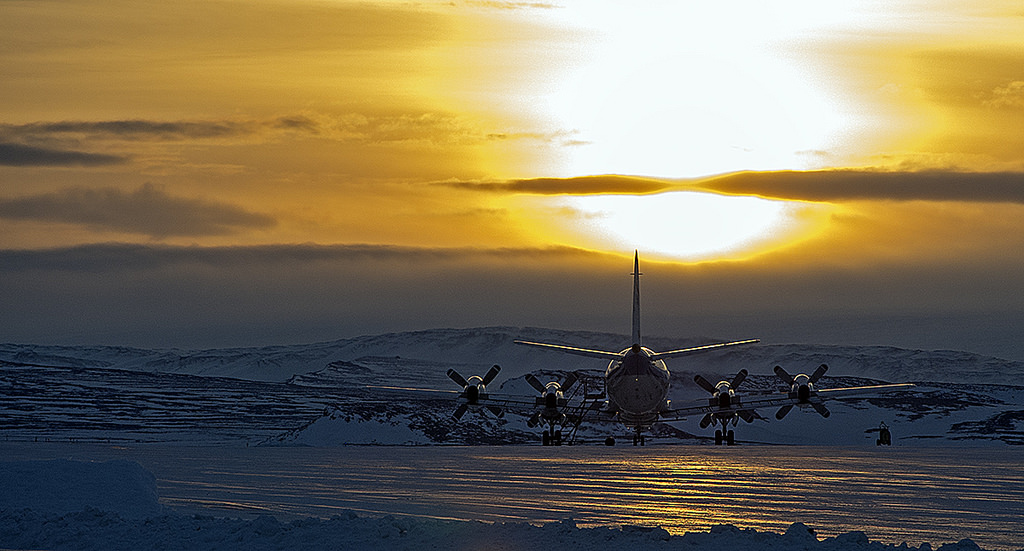
The data behind the study largely comes from the specialized fleet of aircraft in NASA’s Operation Ice Bridge. That fleet is documenting the changing nature of the Earth’s polar regions, filling the observational gap in between the end of ICESat in 2010, and the beginning of its successor, ICESat 2. (ICESat 2 launched in November, 2018.)
There’s a reason that an ice-free Greenland has remained only a beautiful dream for so long. It’s because it’s high enough to create its own weather. Reaching up to an altitude greater than 10,000 feet above sea level, the ice sheet is like a mountain, sticking up so high into the atmosphere that it affects weather patterns. Each year, it generates almost enough snowfall to replace the ice lost to melting.
But it can’t hold out forever. Inevitably, as long as we continue to emit enough GHGs, the interior of the ice sheet will thin, and snowfall will decline. Eventually, there won’t be enough snowfall to replenish the sheet, and victory will be at hand.
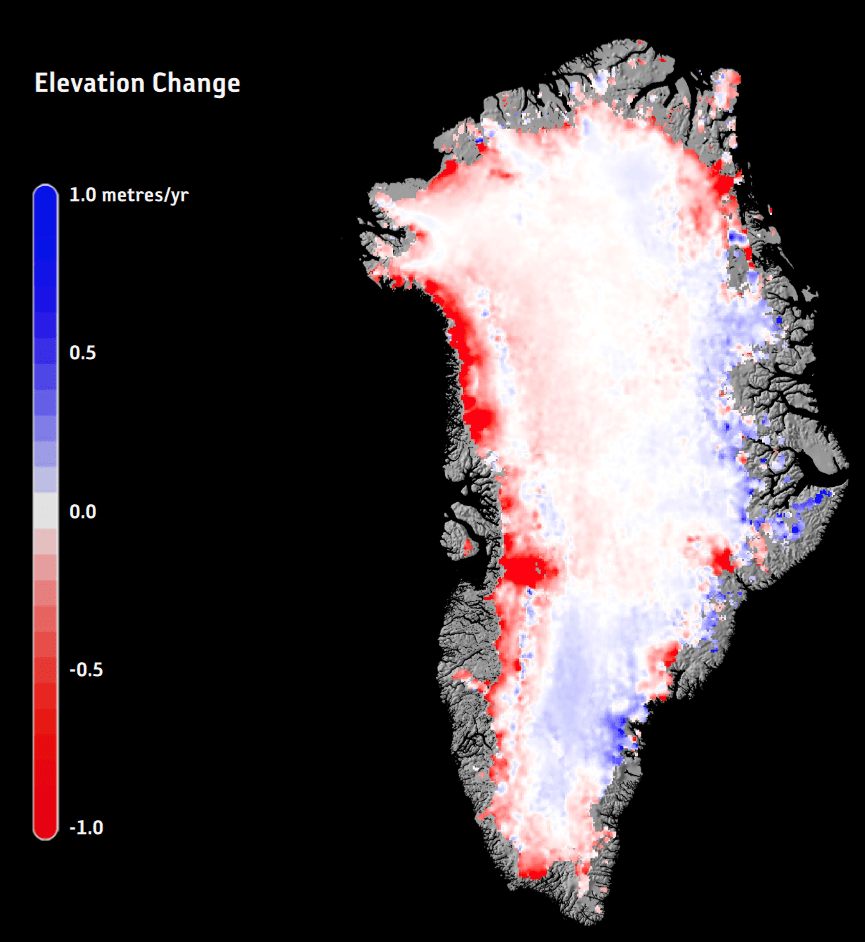
“In the warmer climate, glaciers have lost the regions where more snow falls than melts in the summer, which is where new ice is formed,” said Mark Fahnestock, research professor at the Geophysical Institute and the study’s second author. “They’re like lumps of ice in an open cooler that are melting away, and no one is putting any more ice into the cooler.”
“If we continue as usual, Greenland will melt,” lead author Andy Aschwanden said. “What we are doing right now in terms of emissions, in the very near future, will have a big long-term impact on the Greenland Ice Sheet, and by extension, if it melts, to sea level and human society.”
Without NASA, and programs like Operation IceBridge, we’d be operating in darkness. We’d never know how close we are to the end of the project. Luckily, keen scientists are keeping an eye on the ice.
This helpful video explains in less than a minute the amazing progress being made on Operation Greenland Ice Melt. Credit: NASA/Goddard Space Flight Center Scientific Visualization Studio
“NASA’s space and airborne campaigns, like IceBridge, have fundamentally transformed our ability to try and make a model mimic the changes to the ice sheet,” Fahnestock said. “The technology that allows improved imaging of the glacier bed is like a better pair of glasses allowing us to see more clearly. Only NASA had an aircraft with the instruments and technology we needed and could go where we needed to go.”
The scientists have done their part. They’re keeping track of the melting ice sheet, and preparing frequent progress reports. Even so, some people feel left behind.
Some people feel discouraged over climate change. They think that there’s not much they can as an individual to have a positive effect. But it’s not true. There’s plenty you can do!
Here are a few suggestions:
- Buy a huge pickup truck and drive it around on meaningless, aimless journeys, like to get milk.
- Drive to far away stores, even when there’s one closer, just to get the kind of cheese you like.
- Buy a house much larger than you need, tear out the insulation and the double-pane windows. Then run the heating system with the doors and windows open.
- Lobby your political representatives for more pipelines.
There’s a lot more you can do, but that’s enough to get started.
The study is titled “Contribution of the Greenland Ice Sheet to sea level over the next millennium” and is published in the journal Science Advances.
Sources:
- Press Release: Study Predicts More Long-Term Sea Level Rise from Greenland Ice
- Research Paper: Contribution of the Greenland Ice Sheet to sea level over the next millennium
- NASA: Operation IceBridge
- University of Alaska Glaciers Group
- Skeptical Science: Is Greenland gaining or losing ice?

Vesti bune! Cel mai mare proiect de inginerie al omului se apropie de sfârșit. În curând, vom încălzi Pământul suficient pentru a scăpa de toate fâșiile de gheață și alte zone înghețate. Linia de sosire este la vedere.
Dacă toți lucrăm împreună pentru următorii mii de ani, vom ajunge în final la obiectivul nostru!
NASA a urmărit progresul nostru și într-un comunicat de presă recent a confirmat la ceea ce optimiștii se gândeau ei înșiși de ceva vreme. La rata actuală a emisiilor globale de carbon, porțiuni semnificative ale planetei vor fi libere de gheață în ceva mai rapid de un mileniu .
Nu numai că, dar efortul conjugat al omenirii de a ridica nivelele mării se dovedește și real.
Noile date din programul Operation IceBridge al NASA arată că gheața topită din Groenlanda va ridica nivelurile globale ale mării mai mult decât s-a crezut anterior. Potrivit unui model de calculator într-un nou studiu, în numai 200 de ani topirea ghețurilor la rata actuală ar putea contribui la creșterea nivelului mărilor și oceanelor de la 0,48 până la 1,6 metri (19-63 inci) .
Aceasta este o veste fantastică pentru acest proiect, deoarece aceste cifre sunt cu cel puțin 80% mai mari decât estimările anterioare, care prognozeazau doar până la 35 de centimetri de creștere a nivelului mării din gheața topită de Groenlanda.
Dacă aceasta pare prea bună pentru a fi adevărată și vă face să vă îndoiți de acest nou studiu, citiți mai departe:
Echipa de cercetători din spatele acestui nou studiu este de la Institutul Geofizic de la Universitatea din Alaska Fairbanks. Principalul autor este Andy Aschwanden, profesor asociat de cercetare la Institut.
Echipa a rulat modelul computerului de 1500 de ori, până în anul 3000. Au existat trei grupuri de 500 de simulări pentru diferite scenarii climatice. În fiecare scenariu, parametrii au fost ajustați pentru variabile cheie de teren, gheață, ocean și atmosferă. Rezultatul depinde în mare măsură de emisiile umane.
Scenariul cel mai optimist arată că, dacă omenirea se poate menține pentru încă o mie de ani la rata actuală de emisii, fâșia de gheață neplăcută din Groenlanda va dispărea pentru totdeauna. Dar nu ne putem odihni; există o mulțime de lucruri pentru noi.
Dacă ecologiștii pătrunzători își continuă misiunea și emisiile noastre sunt stabilizate până la sfârșitul acestui secol, pierderile de gheață vor scădea la 26-57% din masa totală cu 3000. Chiar mai îngrijorător este scenariul în care reducem drastic emisiile și începem să scadă până la sfârșitul acestui secol. Apoi am pierdut doar între 8 și 25% din gheața Groenlandei, ceea ce ar însemna o creștere a nivelului mării de numai 1,8 metri. Nimeni nu vrea asta.
Datele din spatele studiului provin în mare parte din flota specializată a aeronavelor din Operațiunea Ice Ice al NASA. Această flotă documentează natura schimbătoare a regiunilor polare ale Pământului, umplând decalajul de observație între sfârșitul ICESat în 2010 și începutul succesorului său ICESat 2. (ICESat 2 lansat în noiembrie 2018)
Există un motiv că un Groenlanda fără gheață a rămas doar un vis frumos atât de mult timp. Este pentru că este suficient de mare pentru a-și crea vremea proprie. Ajungând până la o altitudine mai mare de 10.000 de metri deasupra nivelului mării, fâșia de gheață este ca un munte, urcând atât de înaltă în atmosferă încât afectează modelele meteorologice. În fiecare an, aceasta generează aproape suficientă zăpadă pentru a înlocui gheața pierdută prin topire.
Dar nu poate rezista pentru totdeauna. În mod inevitabil, atâta timp cât vom continua să emită suficiente GHG-uri, interiorul foii de gheață va fi subțire, iar zăpada va scădea. În cele din urmă, nu va mai fi suficientă zăpadă pentru a umple fâșia, iar victoria va fi la îndemână.
„În climatul mai cald, ghețarii au pierdut regiunile în care mai multe zăpadă cade decât se topesc în vară, unde se formează gheață nouă”, a declarat Mark Fahnestock, profesor de cercetare la Institutul Geofizic și cel de-al doilea autor al studiului. „Sunt ca niște bucăți de gheață într-un congelator deschis care se topește și nimeni nu mai pune gheață în el”.
„Dacă vom continua ca de obicei, Groenlanda se va topi”, a spus autorul Andy Aschwanden. „Ceea ce facem acum în ceea ce privește emisiile, în viitorul foarte apropiat, va avea un mare impact pe termen lung asupra Icebergului din Groenlanda și, prin extensie, dacă se va topi, asupra nivelului mărilor și al societății umane”.
Fără NASA și programe cum ar fi Operațiunea IceBridge, vom funcționa în întuneric. Nu vom ști niciodată cât de aproape suntem la sfârșitul proiectului. Din fericire, oamenii de știință sunt dornici să supravegheze gheața.
„Campaniile spațiale și aeriene ale NASA, precum IceBridge, ne-au transformat în mod fundamental abilitatea de a încerca și de a face un model care să imite schimbările din foaia de gheață”, a spus Fahnestock. „Tehnologia care permite îmbunătățirea imaginii patului ghețarului este ca o pereche mai bună de pochelari care ne permit să vedem mai clar. Doar NASA avea o aeronavă cu instrumentele și tehnologia de care aveam nevoie și putea merge acolo unde trebuia să mergem. ”
Oamenii de știință și-au făcut treaba. Ei urmăresc fâșia de gheață topită și pregătesc frecvente rapoarte de progres. Chiar și așa, unii oameni se simt lăsați în urmă.
Unii oameni se simt descurajați de schimbările climatice. Ei cred că nu mai pot mult ca individ să aibă un efect pozitiv. Dar nu este adevărat. Mai sunt o mulțime pe care le puteți face!
Iată câteva sugestii:
Cumpărați un camion uriaș și conduceți-l în deplasări fără sens, fără rost, ca un papă-lapte;
Conduceți către magazinele cât mai îndepărtate, chiar și atunci când este unul mai aproape, doar pentru a obține tipul de brânză pe care-l doriți;
Cumpărați o casă mult mai mare decât aveți nevoie, rupeți izolația și ferestrele termopan; Apoi rulați sistemul de încălzire cu ușile și ferestrele deschise;
Lobby-vă reprezentanții politici pentru mai multe conducte de gaz și petrol;
Mai puteți face mult mai multe, dar este suficient să începeți.
Studiul este intitulat „Contribuția Ice Sheet-ului din Groenlanda la nivelul mării în următorul mileniu” și este publicat în revista Science Advances.
surse:
Comunicat de presa: Studiul prezice o crestere mai mare pe termen lung a nivelului marii de pe gheata Groenlandei
Document de cercetare: Contribuția Ice Sheet-ului din Groenlanda la nivelul mării în următorul mileniu
NASA: Operațiunea IceBridge
Universitatea din Alaska Glaciers Group
Știința științifică: Groenlanda câștigă sau pierde gheață?
***

 Mihail stories