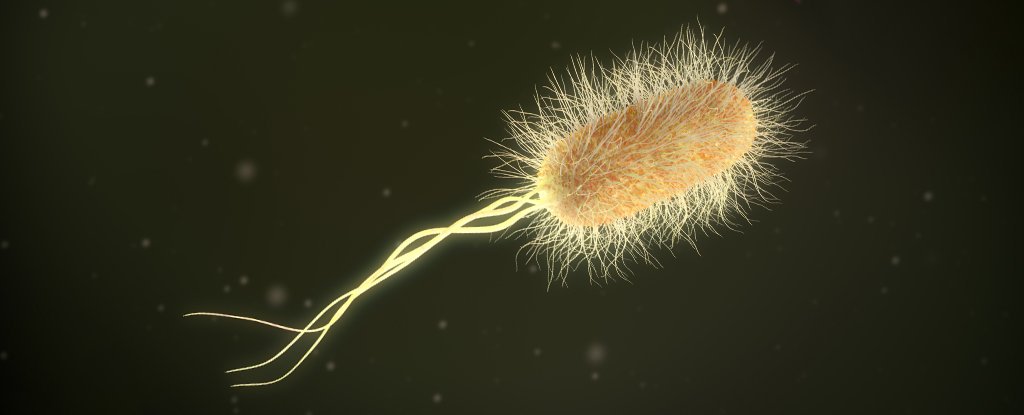
Watching bacteria change shape


Utilizarea pe scară largă de antibiotice este în mare măsură de vină pentru apariția bacteriilor rezistente la antibiotice, care este în prezent una dintre cele mai mari amenințări la adresa sănătății globale. Nu numai că rezistența la antibiotice provoacă deja aproximativ 700.000 de decese pe an, dar, de asemenea, a condus la numeroase infecții, inclusiv pneumonie, tuberculoză și gonoree, mult mai greu de tratat.
Fără a ști cum să oprim bacteriile să-și dezvolte rezistență la antibiotice, se prevede că bolile prevenibile ar putea cauza 10 milioane de decese pe an până în 2050.
Unele dintre modurile în care bacteriile devin rezistente la antibiotice este prin modificări ale genomului bacteriei. De exemplu, bacteriile pot pompa antibioticele sau pot descompune antibioticele. De asemenea, acestea pot înceta să crească și să se dividă, ceea ce le face dificil de observat pentru sistemul imunitar.
Cu toate acestea, cercetările noastre s-au concentrat pe o altă metodă puțin cunoscută pe care bacteriile o folosesc pentru a deveni rezistente la antibiotice. Am arătat că bacteriile își pot „schimba forma” în corpul uman pentru a evita să fie vizate de antibiotice – un proces care nu necesită modificări genetice pentru ca bacteriile să continue să crească.
Practic toate bacteriile sunt înconjurate de o structură numită peretele celular. Peretele este ca o teacă groasă care protejează împotriva agresiunii mediului înconjurător și împiedică explozia celulei. Aceasta conferă bacteriilor o formă regulată (de exemplu, o tijă sau o sferă) și le ajută să se dividă eficient.
Celulele umane nu posedă un perete celular. Din această cauză, este ușor pentru sistemul imunitar uman să recunoască bacteriile ca inamice, deoarece peretele său celular este vizibil diferit. Și, deoarece peretele celular există la bacterii, dar nu și la oameni, este o țintă excelentă pentru unele din cele mai bune și utilizate antibiotice, cum ar fi penicilina. Cu alte cuvinte, antibioticele care vizează peretele pot ucide bacteriile fără a ne face rău.
Cu toate acestea, bacteriile pot supraviețui ocazional și fără peretele lor celular. Dacă condițiile din jur sunt capabile să protejeze bacteriile de propria explozie, acestea se pot transforma în așa-numitele „forme L”, care sunt bacterii care nu au perete celular. Aceste bacterii au fost descoperite în 1935 de Emmy Klieneberger-Nobel, care le-a numit după Institutul Lister unde lucra la acea vreme.
Într-un laborator, folosim adesea zahărul pentru a crea un mediu de protecție adecvat. În corpul uman, această schimbare de formă este de obicei declanșată de antibiotice care vizează peretele celular al bacteriilor sau anumite molecule imune – cum ar fi lizozima, o moleculă prezentă în lacrimile noastre care ne ajută să ne protejăm de infecțiile bacteriene.
Bacteriile fără perete celular devin deseori fragile și își pierd forma obișnuită. Cu toate acestea, ele devin parțial invizibile pentru sistemul nostru imunitar și sunt complet rezistente la toate tipurile de antibiotice care vizează în mod specific peretele celular.
Oamenii de știință au suspectat de mult că schimbarea formei L ar putea contribui la infecții recurente, ajutând bacteriile să se ascundă de sistemul imunitar și să reziste la antibiotice. Cu toate acestea, a fost dificil să se găsească dovezi pentru această teorie din cauza naturii evazive a formelor L și a lipsei de metode adecvate pentru detectarea lor.
Observarea bacteriilor care își schimbă forma
Studiul nostru, publicat în Nature Communications, a analizat în special speciile de bacterii asociate cu infecții recurente ale tractului urinar (UTI). S-a descoperit că multe specii bacteriene diferite – inclusiv E. coli și Enterococcus – pot supraviețui într-adevăr, sub forma L în corpul uman.
Aceasta este ceva care nu a fost niciodată dovedit mai înainte în mod direct. Am fost capabili să detectăm aceste bacterii folosind sonde fluorescente care recunosc ADN-ul bacterian.
Am testat eșantioane de urină de la pacienți vârstnici cu UTI recurente, înmulțindu-le într-o farfurie Petri bogată în zaharuri. Nu numai că acest mediu a ajutat la protejarea bacteriilor împotriva exploziei, dar a izolat și bacteriile în formă de L care erau prezente în aceste probe.
Într-un experiment separat, am putut vedea cum întregul proces se desfășoară în embrioni de pește zebra viu, în prezența antibioticelor.
Important, studiul nostru arată că antibioticele trebuie testate în condiții care seamănă cât mai mult cu corpul uman. Cele utilizate în prezent în laboratorul medical nu oferă suficientă protecție pentru ca formele L delicate să supraviețuiască.
Înainte de a putea înțelege pe deplin cât de importantă este schimbarea formei L în comparație cu alte forme de rezistență la antibiotice, va fi necesară o cercetare suplimentară folosind mai mulți pacienți. De asemenea, va fi important să investigăm ce rol pot juca formele L în alte infecții recurente, cum ar fi sepsisul sau infecțiile pulmonare.
Până acum, cercetarea în formele L a fost un domeniu controversat, dar speranța noastră este că aceste descoperiri vor motiva mai multe cercetări asupra formelor L în cazuri de boală. Speranța noastră este că aceste descoperiri vor ajuta să se găsească o modalitate de a elimina aceste bacterii din corpul nostru.
Combinarea antibioticelor active împotriva bacteriilor cu pereți celulari cu cele care ar ucide formele L ar putea fi o soluție de combatere a infecțiilor rezistente la antibiotice.
Bătălia noastră cu bacteriile este continuă. Pe măsură ce dezvoltăm noi strategii de combatere a lor și ele vin cu modalități noi de lupta. Studiul nostru evidențiază încă o modalitate de adaptare a bacteriilor de care trebuie să ținem cont în lupta noastră continuă cu bolile infecțioase.
Interviu cu Katarzyna Mickiewicz, Newcastle University Research Fellow, Universitatea Newcastle.
Acest articol este republicat din The Conversation sub licență Creative Commons.
***

 Mihail stories