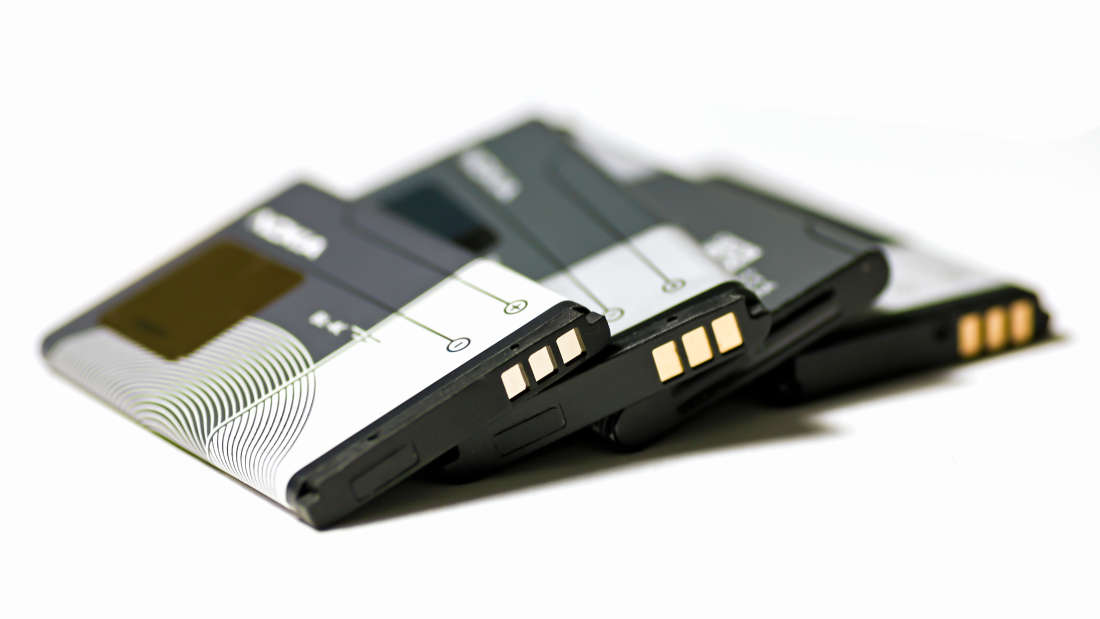

Academia Regală Suedeză de Științe a acordat Premiul Nobel pentru Chimie din 2019 lui John B Goodenough, M Stanley Whittingham și Akira Yoshino pentru dezvoltarea bateriilor cu ioni de litiu în anii ’70 -’80.
În conferința de presă, comitetul Nobel a subliniat cât de revoluționară a fost această tehnologie și cum ne permite să ne bucurăm de libertatea dispozitivelor portabile – de la telefoane mobile și laptopuri la mașini electrice și nave spațiale – pe care le putem reîncărca pur și simplu prin conectarea la rețea.
Provocările realizării unei astfel de tehnologii au fost semnificative. Litiu poate renunța cu ușurință la unul dintre electronii săi, făcându-l perfect ca mod de a stoca și transporta electricitate. Dezavantajul este că îl face un element foarte reactiv, așa că trebuie să fie îmblânzit să funcționeze într-o baterie, ceea ce au făcut câștigătorii.
Bateriile funcționează având o latură pozitivă (catod) și o latură negativă (anod). În timp ce lucra la metode de dezvoltare care ar putea duce la tehnologia energetică fără combustibil fosil în anii ’70, dr. Whittingham a descoperit o modalitate de a crea o catodă bună pentru o baterie de litiu fabricată din disulfură de titan. Această baterie avea un potențial bun, dar anodul era fabricat din litiu metalic, care este reactiv, ceea ce îl face prea exploziv pentru a funcționa. Acest lucru a fost îmbunătățit în 1980 de către Dr Goodenough, care a folosit oxidul de cobalt ca material pentru construirea catodului. Aceasta a dublat tensiunea acelor baterii.
Dr. Yoshino s-a concentrat asupra anodului. În bateriile anterioare, acesta era fabricat din metale cu litiu, foarte reactiv și deci nu foarte sigur. Yoshino a creat un anod format din cocsul petrolier, straturile de carbon permitând prezența ionilor de litiu între ele. Ionii s-au deplasat pe baterii în timp ce electronii lor se deplasau pe circuitele care alimentează dispozitivul. Avantajul este că întregul proces a fost reversibil și poate fi repetat de sute de ori – ceea ce înseamnă că bateria ar putea fi încărcată de mai multe ori înainte ca performanța sa să înceapă să se deterioreze. Yoshino a creat prima baterie viabilă de litiu-ion comercial în 1985.
Yoshino le-a spus jurnaliștilor în timpul anunțului de premiere că forța motrice pentru a-și desfășura cercetările a fost pur și simplu curiozitatea.
De asemenea, comitetul a subliniat că dr. Goodenough este acum la 97 de ani cel mai în vârstă laureat Nobel , cu doar câteva luni mai vechi decât deținătorul acestui premiu, dr. Arthur Ashkin, care a câștigat Nobel-ul pentru fizică anul trecut.
Dintre cei 203 laureați ai Chimiei din 1901, doar cinci au fost femei. Optzeci și nouă dintre aceștia au primit premiul pentru munca desfășurată în SUA, deși doar 60 dintre ei s-au născut acolo. Pentru mai multe fapte amuzante și vizualizarea datelor minerale ale Premiului Nobel pentru chimie, consultați Lumea Chimiei.
***

 Mihail stories