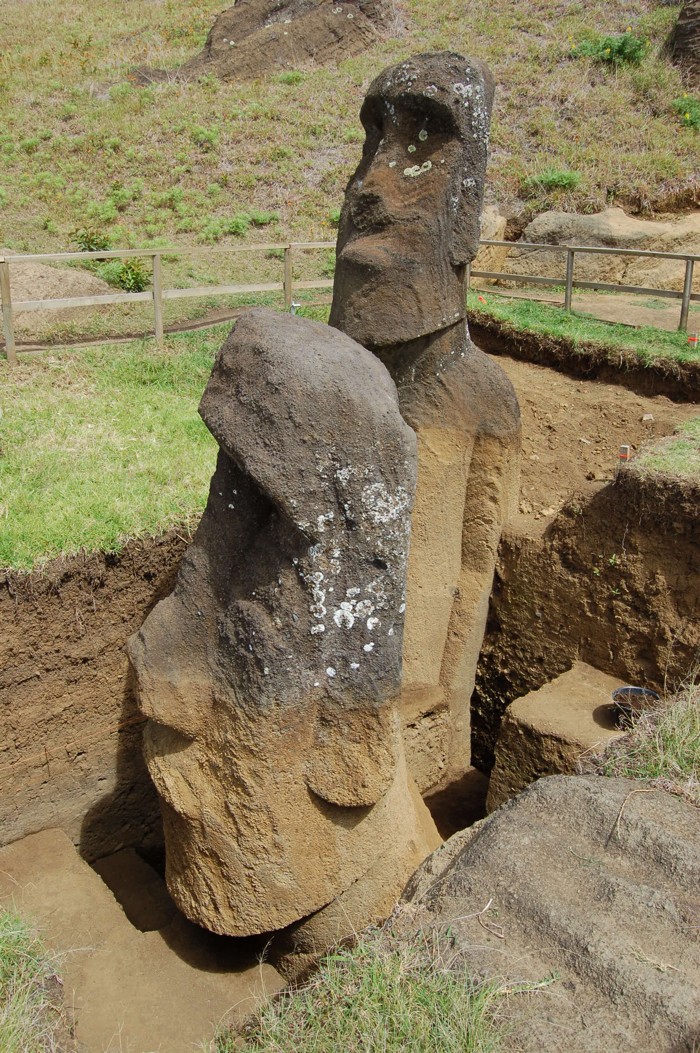
Excavation and analysis at the site of two moai in Rano Raraku as part of the study. (Easter Island Statue Project)

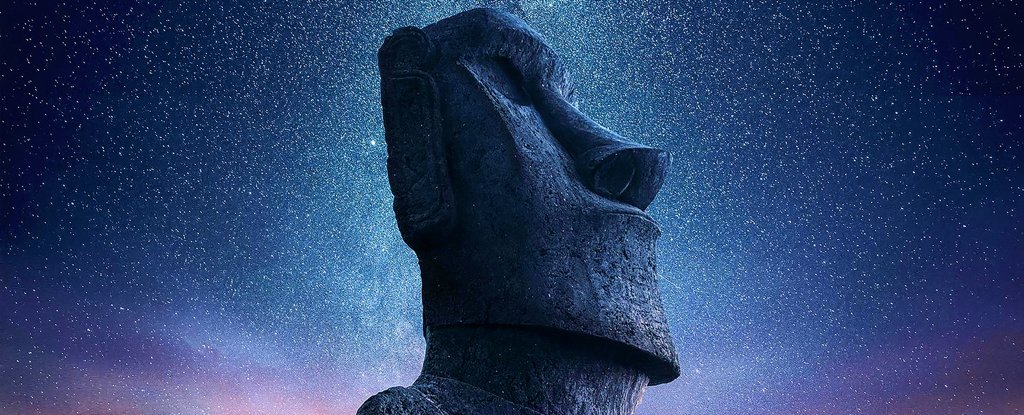
Timp de sute de ani, au stat de veghe în liniște: Moai, o grupare misterioasă de aproape 1.000 de statui monolitice sculptate, ridicată pe peisajul izolat al insulei de Paște (Rapa Nui).
Acești idoli falnici i-au fascinat dintotdeauna pe cercetători, precum și obiceiurile și prăbușirea societății polineziene care i-a conceput – dar relevanța simbolică a figurilor în sine nu a fost niciodată înțeleasă pe deplin.
Acum, un studiu internațional oferă perspective noi despre ceea ce Moai ar fi putut reprezenta pentru locuitorii insulei care au trudit în cariere, sculptând și transportând efigiile gigant.
Peste 90 la sută din statuile Moai au fost produse într-o carieră numită Rano Raraku: un crater vulcanic care la baza lui constituie mai puțin de 1 la sută din suprafața totală a insulei, dar a servit totuși ca unică sursă de piatră folosită pentru a face megaliticele obiecte sculpturale.
Cu toate acestea, Rano Raraku este mai mult decât doar piatră, spun cercetătorii, pe baza unei analize a probelor de sol prelevate în regiune.
„Când am obținut rezultatele chimiei înapoi, am făcut o dublă prelevare”, explică geoarheologul Sarah Sherwood de la Universitatea de Sud din Sewanee, Tennessee. „Existau niveluri foarte ridicate de substanțe pe care nu aș fi crezut niciodată că vor fi acolo, cum ar fi calciul și fosforul. Chimia solului a arătat niveluri ridicate de elemente care sunt esențiale pentru creșterea plantelor și esențiale pentru producții ridicate.”
Potrivit echipei de cercetare, punctul de vedere stabilit asupra regiunii carierei este că era un sit industrial folosit pentru producerea și depozitarea temporară a Moai-lor înainte de scoaterea și transportul lor în alte locații de pe insula.
Cu toate acestea, aproape 400 dintre monoliți rămân în carieră, iar unii sunt îngropați în sol și sprijiniți cu structuri de roci fortificate care sugerează că amplasarea nu a fost una temporară. Motivul pentru care, spun cercetătorii, ar putea fi acest sol unic bogat.
„Peste tot pe altă parte a insulei, solul a fost rapid uzat, erodat, fiind lipit de elemente care hrănesc plantele”, spune Sherwood.
„Dar în carieră, cu fluxul său constant constant de mici fragmente din stratul de pământ generat de procesul de excavare, există un sistem de perfect feedback a apei, îngrășământului natural și nutrienților.”
Pe lângă dovezile fertilității solului, cercetătorii au descoperit în probe și urme de culturi agricole antice , inclusiv banana, taro, cartoful dulce și mulberry.
Acestea sunt semne, consideră cercetătorii, că pe lângă utilizarea carierei pentru producția de Moai, societatea Rapa Nui a utilizat spațiul și ca loc pentru cultivarea alimentelor de care aveau nevoie, valorificând solurile bogate și prelucrate ale Rano Raraku, care ar fi produs randamente mai mari cu costuri de muncă mai mici.
„Ne aventurăm cu sugestia nouă care, pe baza acestor date și pe ritualizarea Rano Raraku și piatra sa ca resurse megalitice, solul / sedimentul Rano Raraku a fost o marfă valoroasă și protejată”, explică autorii în lucrarea lor.
„Solul ar fi putut fi transportat de la Rano Raraku pentru a îmbogăți acele zone care au nevoie de productivitate crescută.”
Este un caz convingător, dar de ce au fost ridicați și Moaii în interiorul craterului, în mijlocul pământului din care au fost ele însele produse?
De mult s-a teoretizat că scopul ceremonial al monolitilor a fost asociat cu ritualuri de fertilitate, iar cercetătorii spun că munca lor de teren oferă dovezi bazate pe chimie ale acestei legături – fără a mai menționa descoperirea gropilor sculptate, sugerând că Moaii au fost probabil ridicați să stea de veghe la aceste grădini verzi.
„Acest studiu modifică radical ideea că toate statuile în picioare din Rano Raraku așteptau pur și simplu transportul din carieră”, spune arheologul Jo Anne Van Tilburg, de la UCLA.
„Aceștia și, probabil, alți Moai verticali din Rano Raraku au fost păstrați la locul lor pentru a asigura natura sacră a carierei în sine. Moai au fost fundamentali în ideea de fertilitate, iar în Rapa Nui credința prezenței lor aici a stimulat producția agricolă de alimente.”
***

 Mihail stories