
Acum două miliarde de ani, un declin semnificativ al oxigenului, odată abundent, a ucis până la 99% din viața de pe Pământ într-un eveniment de extincție în masă mai mare decât cel responsabil pentru moartea dinozaurilor.
În lucrarea lor Proceedings of the National Academy of Sciences, o echipă de cercetători descrie catalizatorul Marelui Eveniment de Oxidare (GOE), care a avut loc între 2.05 și 2.4 miliarde de ani în urmă. În anii care au dus la GOE, nivelurile de oxigen din atmosfera Pământului au crescut semnificativ, ducând la multiplicarea microorganismelor antice. Dintr-o dată, nivelul de oxigen a scăzut în ceea ce în curând a devenit unul dintre cele mai devastatoare evenimente din toată istoria Pământului, trecerea de la ospăț la foamete, condiții care au urmat în următorul miliard de ani, deschizând calea pentru viața complexă așa o știm astăzi.
„Am fost foarte surprinși,” spune co-autorul Peter Crockford, un cercetător postdoctoral la Weizmann Institute of Science și Princeton University a declarat Newsweek. „Nu ne așteptam să vedem un semnal atât de mare și nici nu ne așteptam să-l găsim în acest tip specific de probă.
„Cu peste 100 la 200 de milioane de ani înainte de acest eveniment die-off a existat o abundenșă a vieții pe planetă, dar după acest eveniment cea mai mare parte a murit.” a spus Crockford. „Dar, în loc să se refacă ca în cazul unor extincții în masă mai recente, viața de pe planetă, sau dimensiunea biosferei, a rămas la niveluri mici pentru următoarele miliarde de ani din istoria Pământului-aproximativ două miliarde de ani.”
Dar cum, sau de ce, s-a produs această schimbare, a fost o întrebare spinoasă.
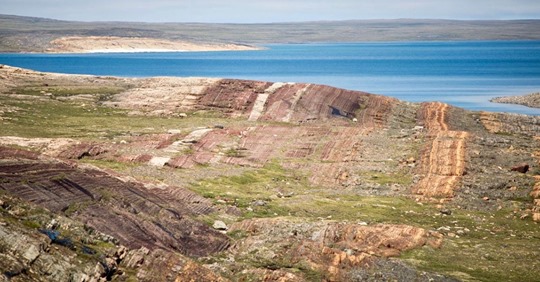
Oamenii de știință și-au îndreptat atenția către barit, un mineral sulfat găsit în Insulele Belcher din Golful Hudson din Canada, care arată înregistrarea geologică a oxigenului din atmosferă. O analiză a geochimiei izotopilor a găsit valori negative care au apărut la scurt timp după OUG, ceea ce implică o prăbușire a productivității primare care a declanșat o schimbare a disponibilității de nutrienți precum fosforul. În total, acest lucru a provocat o scădere enormă a vieții, probabil datorită scăderii nivelului de oxigen.
„Faptul că această semnătură geochimică a fost păstrată a fost foarte surprinzător”, a declarat co-autorul studiului Malcolm Hodgskiss. „Ceea ce a fost deosebit de neobișnuit în legătură cu acești bariți este faptul că au avut clar o istorie complexă”.
Creșterea vieții în corelație cu oxigenul atmosferic confirmă o teorie cunoscută sub denumirea de „depășirea oxigenului” prin care fotosinteza din microorganisme antice și procesele de intemperii naturale ale rocilor au dus la o creștere a oxigenului în atmosferă. Organismele emițătoare de oxigen au epuizat în cele din urmă aprovizionarea cu nutrienți în ocean, ceea ce a dus la scăderea populației într-o lume mult diferită de cum o cunoaștem astăzi, unde o atmosferă stabilă echilibrează producția de oxigen cu consumul.
Descoperirile aruncă lumină în procesele antice care au dus la final pe Pământ așa cum îl știm astăzi. Studiind în continuare cum se comportă Pământul de-a lungul timpului, oamenii de știință spun că pot înțelege mai bine modul în care atmosfera operează pe planetele din afara sistemului nostru solar, în special legătura dintre biosferă (unde trăiesc organismele) și modul în care aceasta se raportează la nivelurile de oxigen și dioxid de carbon din atmosfera.
„Unele dintre aceste estimări de oxigen necesitau probabil prea multe microorganisme care trăiesc în ocean în trecutul Pământului”, a spus Crockford. „Deci, putem începe acum să ne imaginăm care ar fi putut fi compoziția atmosferei prin acestă perspectivă biologică.”

 Mihail stories