Hidden in a shoebox: vintage Edinburgh shots that were nearly lost – in pictures

  • Robert Blomfield’s stunning pictures of the Scottish capital were locked away for decades. Now his family want to share his talent with the world
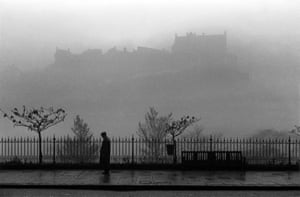
Edinburgh Castle from Princes Street, 1960 Between the years of 1957 - 1966 Robert Blomfield created a substantial archive of life in the Scottish capital. This pursuit ran alongside his medical studies at Edinburgh and subsequent years spent as a junior doctor in London. Although a medical career was his first calling, he always carried his precious Nikon camera to record whatever caught his interest
  • Edinburgh Castle from Princes Street, 1960Between 1957 and 1966, Robert Blomfield created a substantial archive of life in the Scottish capital. This pursuit ran alongside his medical studies in the city and subsequent years spent as a junior doctor in London. Throughout his medical career, he carried his precious Nikon camera to record whatever caught his eye. 
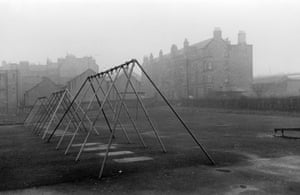
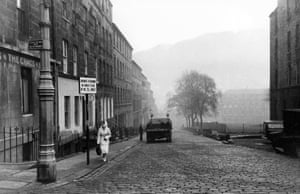
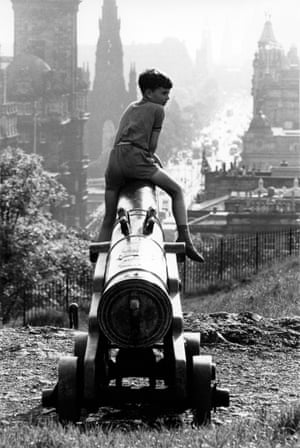
Harrison Park, 1960 For most people, his subject matter would go entirely unnoticed. But Robert spotted worthwhile images at almost every turn. Edinburgh, whose famous landmarks collide with a labyrinth of cobbled streets and alleyways, was full of such quirky potential, and his black and white photographs of the city remain some of his best work
  • Harrison Park, 1960For many people, his subject matter would go unnoticed, but Blomfield spotted worthwhile images at almost every turn. Edinburgh, with its labyrinth of cobbled streets and alleyways, was full of quirky potential
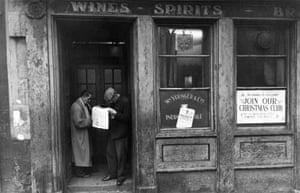
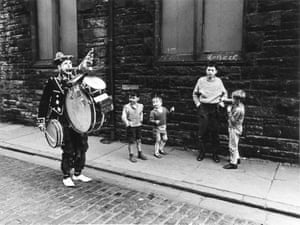
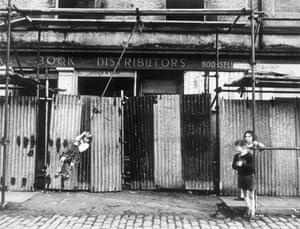
Bookmaker outside Aird’s Bar, Arthur Street, 1960Born in Leeds in 1938, Robert Blomfield was practising street photography in the UK from the late 1950s through to the early 1970s. His photographs went unseen outside of close friends and family for most of his life. Once they were dry, his prints would usually go straight back into their yellow Kodak boxes and would often not see the light of day again for many years
  • Bookmaker outside Aird’s Bar, Arthur Street, 1960Born in Leeds in 1938, Blomfield practised street photography from the late 50s to the early 70s. Apart from close friends and family, few people saw his images. Once his prints were dry, they would be put back into their yellow Kodak boxes and would often not see the light of day for many years.
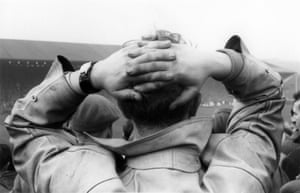
Football match at Easter Road, Leith, 1960 Armed with a Nikon F and mainly using black and white Kodak Tri-X film, he became ever more prolific, developing his style as an unobtrusive observer of anything interesting or amusing that might present itself.
  • Football match at Easter Road, Leith, 1960Armed with a Nikon F and using mainly black and white Kodak Tri-X film, Blomfield became ever more prolific, developing his style as an unobtrusive observer of interesting or amusing moments
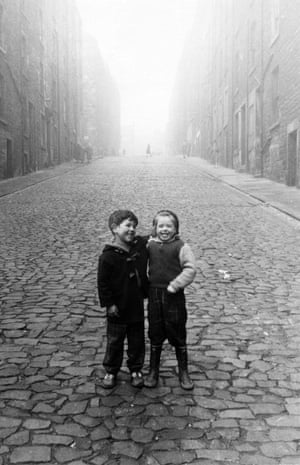
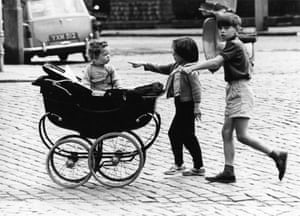
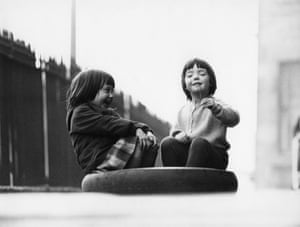
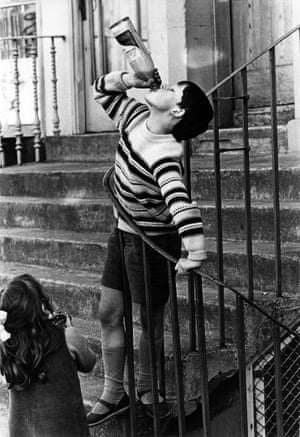
Arthur Street, 1960 The photographs capture striking images of the changing face of Britain’s inner cities. Children playing in the streets held a particular fascination
  • Arthur Street, 1960His striking images captured the changing face of Britain’s inner cities. Children playing in the streets held a particular fascination.
Salisbury Street, 1960 The obsessive desire to document the world around him became the foundation of his street photography
  • Salisbury Street, 1960Blomfield’s obsessive desire to document the world around him became the foundation of his photography.
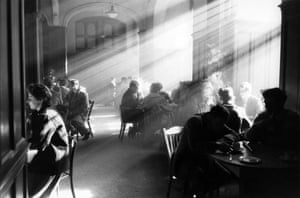
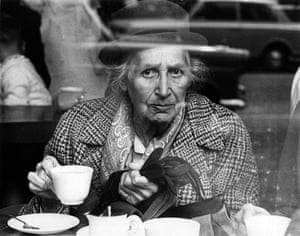
Student Union, Teviot Row House, 1961
  • Student Union, Teviot Row House, 1961Blomfield was truly an amateur photographer. In 1967, he briefly entertained the idea of pursuing photography as a career after several shots by him were selected for the British Journal of Photography. However, he feared that working to a brief would take away much of the enjoyment, and he stuck with his medical career.
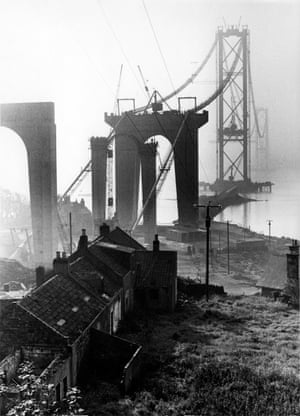
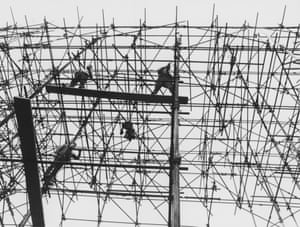
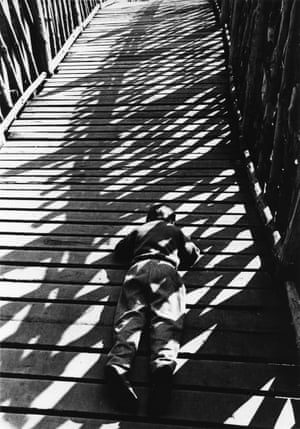
Forth Road Bridge under construction, 1962 In 1962, the striking modern architecture of the emerging Forth Road Bridge attracted his attention. He took numerous pictures of its construction and, being a keen climber, took it upon himself to ascend the catwalk one evening by moonlight
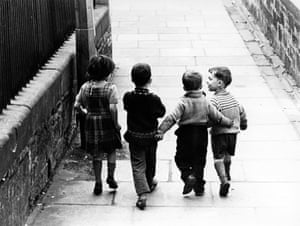
  • Forth Road Bridge under construction, 1962The striking modern architecture of the emerging Forth Road Bridge attracted his attention, and he took numerous pictures of its construction. He was a keen climber and ascended the catwalk by moonlight one evening. Calton Hill, 1964Children in particular caught his eye as they played, finding joy often in the midst of poverty. Many of his shots evoke a seemingly more innocent and carefree world.
Calton Hill, 1964 Children in particular caught his eye as they played, finding joy often in the midst of poverty. His many shots of the local youth provoke a nostalgic twinge for a seemingly more innocent and carefree world
  • June 1965To describe Blomfield as a street photographer is misleading: he would capture anything that struck him wherever he happened to be.
June 1965 To call Robert Blomfield a ‘street photographer’ is somewhat misleading. In truth, he would capture anything that struck him wherever he happened to be; the street was just one of many sources of inspiration. As he puts it: “I didn’t need to set the stage, the stage set itself. All I had to do was take the photo.”
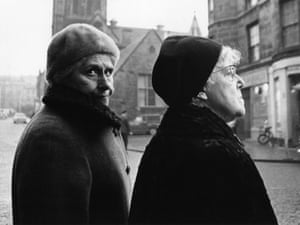
  • Raeburn Place, Stockbridge, 1965A naturally shy character, Blomfield used the camera as a way of hiding in plain sight. His sense of humour and a disregard for authority allowed him to get close to his subjects.
Raeburn Place, Stockbridge, 1965 A naturally shy character, Robert used the camera as a way of hiding in open view. His indomitable sense of humour and a healthy disregard for authority prompted him to get close to his subjects
  • Riego Street, Tollcross, 1965The street was just one of many sources of inspiration. He said: ‘I didn’t need to set the stage, the stage set itself. All I had to do was take the photo’.
Riego Street, Tollcross, 1965 His photography style was influenced by several of the greats. Henri Cartier-Bresson’s pioneering images inspired him to see more and be seen less
  • Littlewoods, Princes Street, 1965The work he produced in this period brilliantly captured the atmosphere of post-war Edinburgh, a city in transition.
Littlewoods, Princes Street, 1965 The work he produced in this period brilliantly captures the atmosphere of post-war Edinburgh, which was a city in transition
  • India Place, Stockbridge, 1965Many dilapidated Victorian buildings were in the process of being demolished under the postwar slum-clearance scheme. Blomfield was drawn to these crumbling streets.
India Place, Stockbridge, 1965  Many of the dilapidated Victorian buildings were in the process of being demolished under the ‘slum clearance’ scheme of the post-war era. Robert found himself drawn to these crumbling streets
  • March 1966Blomfield had an intimate connection with the people and places he photographed. ‘I think it’s a form of love,’ he said. ‘You should love the picture. I love the photographs. I love the people
March 1966 There was an intimate connection with the people and places he captured. “I think it’s a form of love,” he explained “You should love the picture. I love the photographs. I love the people.”
  • April 1966His style was influenced by several of photography’s greats. Henri Cartier-Bresson’s pioneering images inspired him to see more and be seen less.
April 1966 His photography style was influenced by several of the greats. Henri Cartier-Bresson’s pioneering images inspired him to see more and be seen less
  • April 1966After sitting for six decades in boxes, Blomfield’s Edinburgh photos were exhibited at the City Art Centre between November 2018 and March 2019.
April 1966 After sitting for six decades in shoeboxes, Robert’s black and white Edinburgh photos were exhibited in Edinburgh at the City Art Centre from November 2018 to March 2019
  • Stockbridge, 1966His photographic legacy will inspire generations of photographers for years to come.
Stockbridge, 1966 Robert Blomfield’s photographic legacy will continue to inspire generations of photographers for years to come
  • June 1966Recently his family began to catalogue and digitise thousands of images in the archive and are finally in a position to start .
June 1966 Recently his family began to catalogue and digitise the 1000’s of images in the archive, and are finally in a position to start sharing his wonderful photography with a wider audience https://www.robertblomfield.co.uk/audience
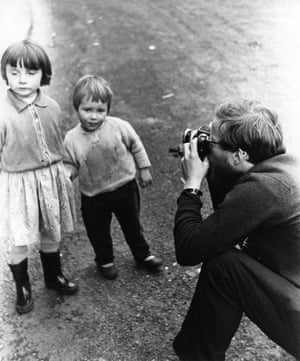
  • Robert Blomfield with Camera, EdinburghIn 1999, Blomfield gave up photography and his career as a doctor after a stroke left him paralysed. He retired to Yorkshire and died in December 2020.
Robert Blomfield with Camera, Edinburgh In 1999, Blomfield gave up photography and his career as a doctor after a stroke left him paralysed. He retired to Yorkshire and died in December 2020

Un chihuahua zburător

Ce misiune va avea pe Marte Ingenuity, elicopterul cât un chihuahua, dar cu o tehnologie impresionantă

elicopter-Ingenuity
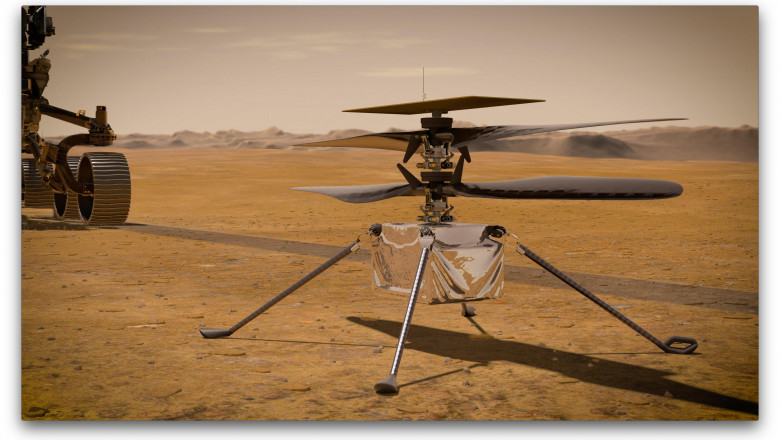
Elicopterul Ingenuity pe Marte – ilustrație artistică. Foto: NASA

Ingenuity este primul elicopter care zboară pe altă planetă. Aparatul cântărește 1,8 kg și a ajuns pe Marte în interiorul roverului Perseverance al NASA, care a ajuns luna aceasta pe suprafața Planetei Roșii, relatează BBC.

https://www.bbc.com/news/av-embeds/53587718/vpid/p08m5t9c

Dar zborul în atmosfera subțiată a planetei Marte este mult mai dificil decât pe Terra. De aceea, Ingenuity a avut nevoie de tehnologie ultraperformantă pentru a-și putea desfășura misiunea.

Ingenuity va zbura pe Marte pentru a permite cercetătorilor să studieze stâncile, craterele și alte locuri în care roverele precum Perseverance nu pot ajunge.

Elicele sale din fibră de carbon se învârt de 8 ori mari repede decât ale unui elicopter care zboară pe Terra, la circa 2.400 de rotații pe minut.

Are celule solare, baterii, două camere de flmat – una alb-negru și alta color – sisteme de navigație, computer de bord. Toate acestea sunt integrate într-un aparat de mărimea unui chihuahua.

Deoarece Marte e atât de departe de Pământ, Ingenuity nu poate fi controlat printr-un joystick, așa că oamenii de știință îi trimit comenzile cu mult timp înainte. Așa că elicopterul practic va decola singur, va zbura singur și va ateriza singur. Toate acestea, într-o atmosferă de 100 de ori mai subțiată decât cea a Pământului.

Dacă Ingenuity își va putea duce la capăt misiunea, oamenii ar putea trimite mai mulți roboți zburători pe Marte, poate chiar în zboruri de cercetare pentru a ajuta misiunile umane, în viitor.