
Alba ca zăpada și mărul otrăvit
Tot ceea ce ne putem imagina este real


Cheile Bicazului – Lacul Roșu.


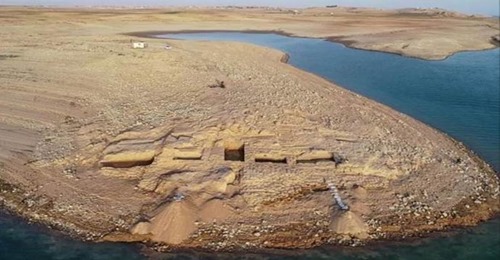
The ruins of an ancient palace dating back about 3400 years have emerged due to the drought. It happens in Kurdistan and according to the researchers, it would be one of the most important discoveries of the last decades. Nature is transformed and the drop in water level in the Mosul dam basin, on the Tigris River, has led to the discovery of a civilization of which very little is known, Mitanni and the kingdom that in the second half of the second millennium BC, it occupied the north of Mesopotamia, crossing the northern areas of Iraq and Syria. “It is one of the most important discoveries of recent decades,” says Kurdish archaeologist Hasan Ahmed Qasim, clarifying that the site has large houses, a cemetery, a road network and a building. In particular, it would be the Kemune palace which stood a few meters from the Tigris and was made up of clay bricks; inside, blue and red paintings were discovered.
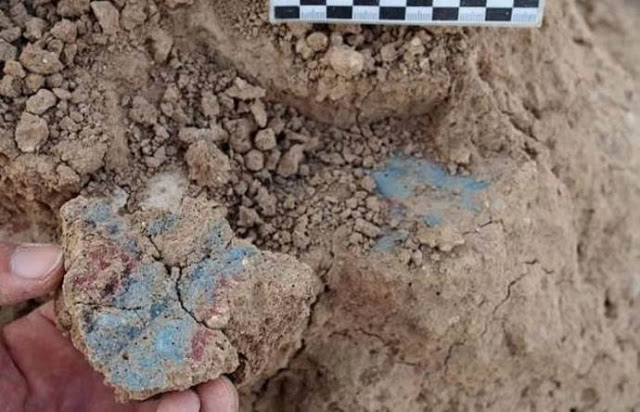
“We also found remains of wall paintings in bright shades of red and blue. In the second millennium BC, murals were probably a typical feature of palaces in the ancient Middle East, but we rarely find them preserved. So discovering murals in Kemune is an incredible discovery, ”says Ivana Puljiz, a senior archaeologist at the University of Tübingen. The frescoes are in walls two meters thick and seven high, testifying to a very imposing structure and of certain architectural importance. Excavations have uncovered traces of 8 different rooms and the clay tablets could lead us back to the city of Zakhiku.
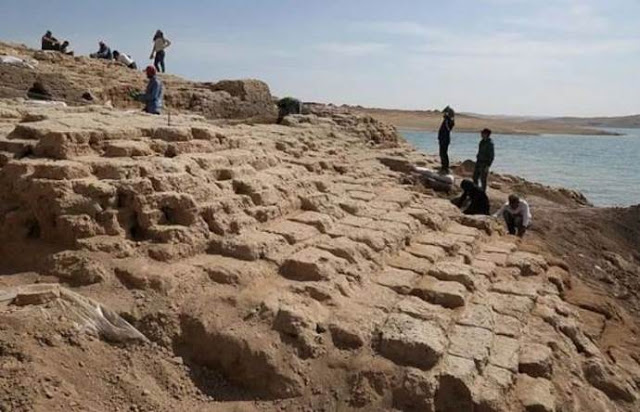
Very little is known about the Mitanni empire, so much so that the capital itself, probably Waššukanni, has never been identified. What we do know is that the kingdom ruled a part of Mesopotamia between the 18th and 13th centuries BC, with the population being made up of Hurries. Photo: University of Tübingen
Ruinele unui palat antic datând de aproximativ 3400 de ani au apărut din cauza secetei. Se întâmplă în Kurdistan și, potrivit cercetătorilor, ar fi una dintre cele mai importante descoperiri din ultimele decenii.
Natura se transformă și scăderea nivelului apei în bazinul barajului Mosul, pe râul Tigru, a dus la descoperirea unei civilizații despre care se știe foarte puțin, Mitanni și regatul care în a doua jumătate a mileniului al II-lea î.Hr. a ocupat nordul Mesopotamiei, traversând zonele nordice ale Irakului și Siriei. „Este una dintre cele mai importante descoperiri din ultimele decenii”, spune arheologul kurd Hasan Ahmed Qasim, precizând că situl are case mari, un cimitir, o rețea de drumuri și o clădire.
În special, ar fi palatul Kemune care se afla la câțiva metri de Tigru și era format din cărămizi de lut; în interior au fost descoperite picturi albastre și roșii.
„Am găsit și resturi de picturi murale în nuanțe strălucitoare de roșu și albastru. În mileniul al II-lea î.Hr., picturile murale erau probabil o caracteristică tipică a palatelor din vechiul Orient Mijlociu, dar rareori le găsim conservate. Deci, descoperirea picturilor murale în Kemune este o descoperire incredibilă ”, spune Ivana Puljiz, arheolog senior la Universitatea din Tübingen.
Frescele au pereți groși de doi metri și înălțime de șapte, mărturisind o structură foarte impunătoare și de o anumită importanță arhitecturală. Săpăturile au descoperit urme de 8 camere diferite, iar tăblițele de lut ne-ar putea duce înapoi în orașul Zakhiku.
Se știe foarte puțin despre imperiul Mitanni, atât de mult încât capitala însăși, probabil Waššukanni, nu a fost niciodată identificată. Ceea ce știm este că regatul a condus o parte a Mesopotamiei între secolele XVIII și XIII î.Hr., populația fiind alcătuită din Hurries.
Foto: Universitatea din Tübingen


 Mihail stories