„Noua hartă în timp real a 5G, inaugurată în timpul crizei coronavirus creează prima urmărire monitorizată în toată lumea la toti și tot, chiar și în casele și birourile lor. Electrificarea absolută este letală și provoacă imunodepresie”. Pe 13 martie 2020, s-a inaugurat în Spania si Italia aplicația în curs a sistemului 5G. 5G permite […]
23/03/2020 | de James Corbett Se răspândește. Are mutații. Devine virală. Este vorba despre coronavirus? Nu, e vorba despre teoriile despre coronavirus. Este un virus natural. / Nu, este o armă biologică. Este mai puțin periculoasă decât gripa sezonieră. / Este mai rea decât gripa spaniolă. Numărul morților este ascuns. / Numărul morților este umflat. […]
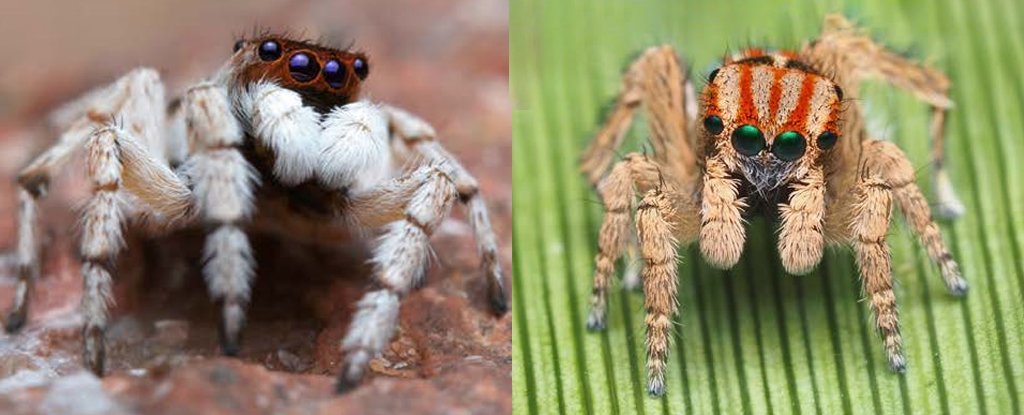
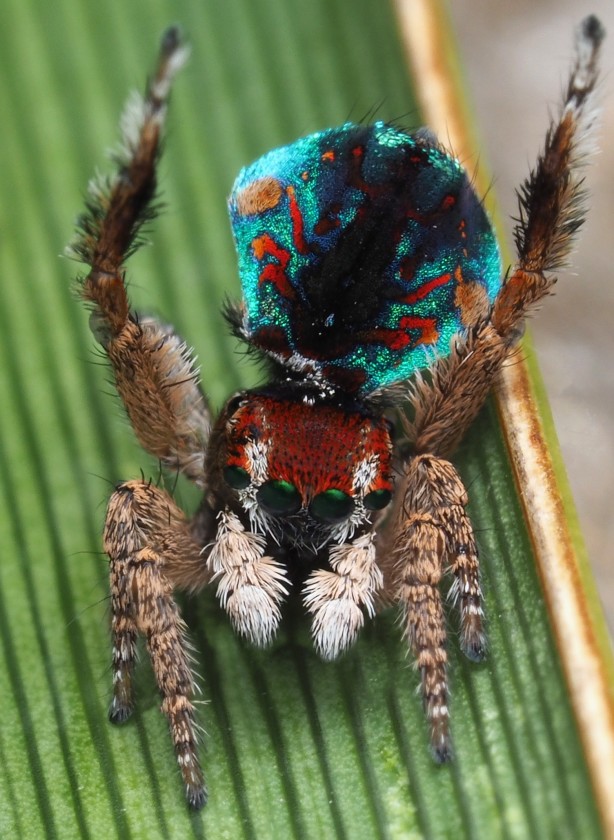
With the power to make even the most arachnid-wary go „awww”, peacock spiders took the internet by storm. Their online popularity spurred a flurry of new species discoveries over the last decade, and now we have seven more of these cutelings to admire.
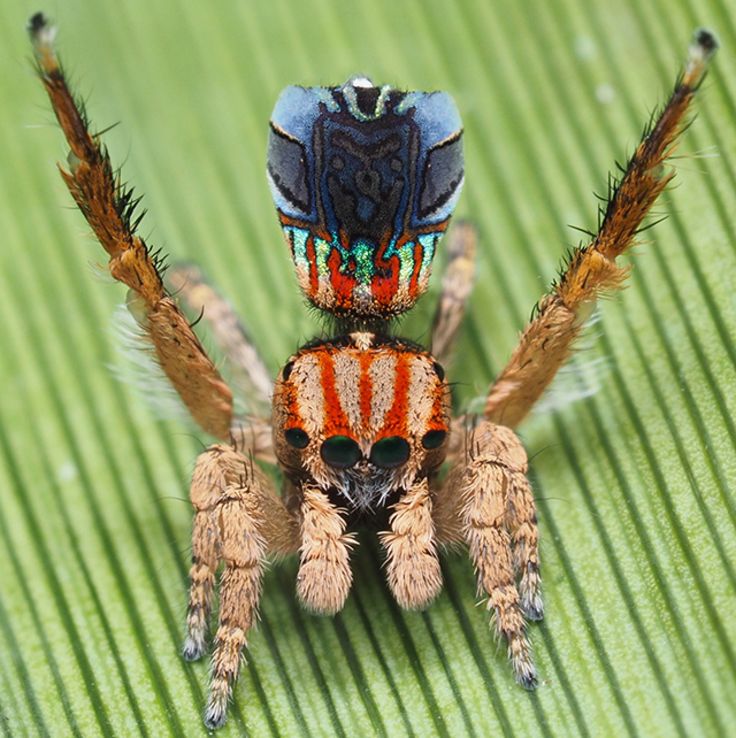
Peacock spiders (genus Maratus) are famed for the outrageously flamboyant butts of the males, and their charming courtship dances; these new additions to science are no exception, as you can see below.
They are unique to Australia and even though they are venomous, these spiders are completely harmless to humans – hunting minuscule flies and other small insects by sneaking up to them and pouncing.
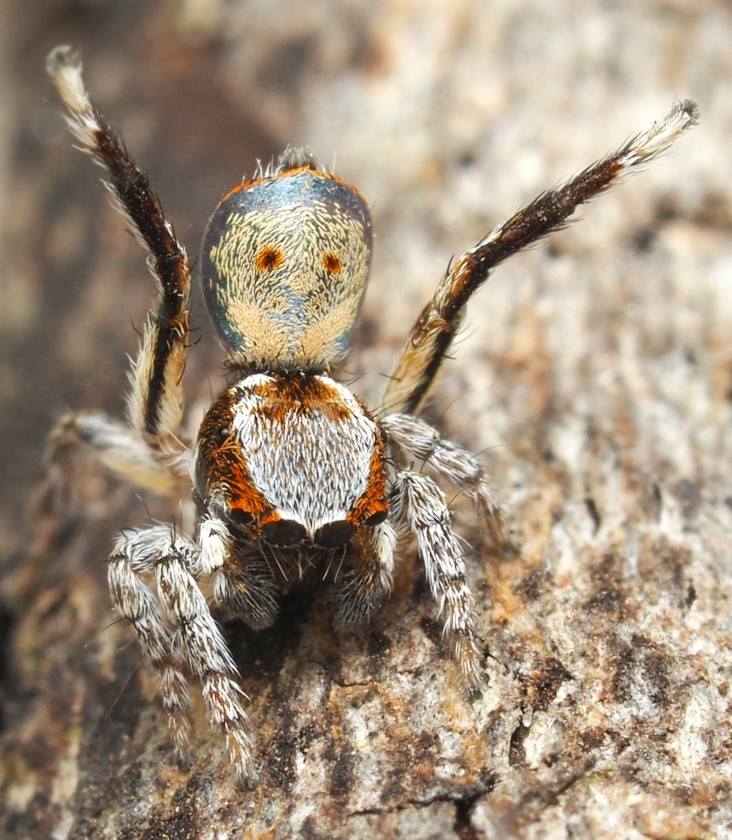
M. azureus showing off his dance moves. (Joseph Schubert)
„I’d describe peacock spiders as tiny, little, colourful kittens,” Joseph Schubert told Tom Edwards at the Australian Broadcasting Corporation.
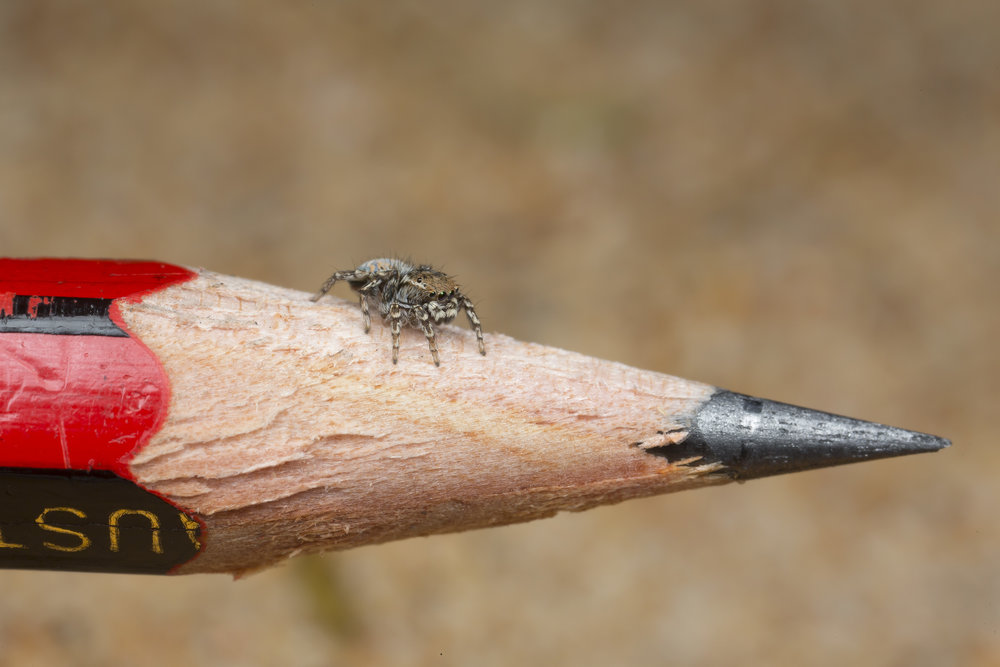
„They have their own personalities and they’re incredibly tiny – about the size of a grain of rice.”
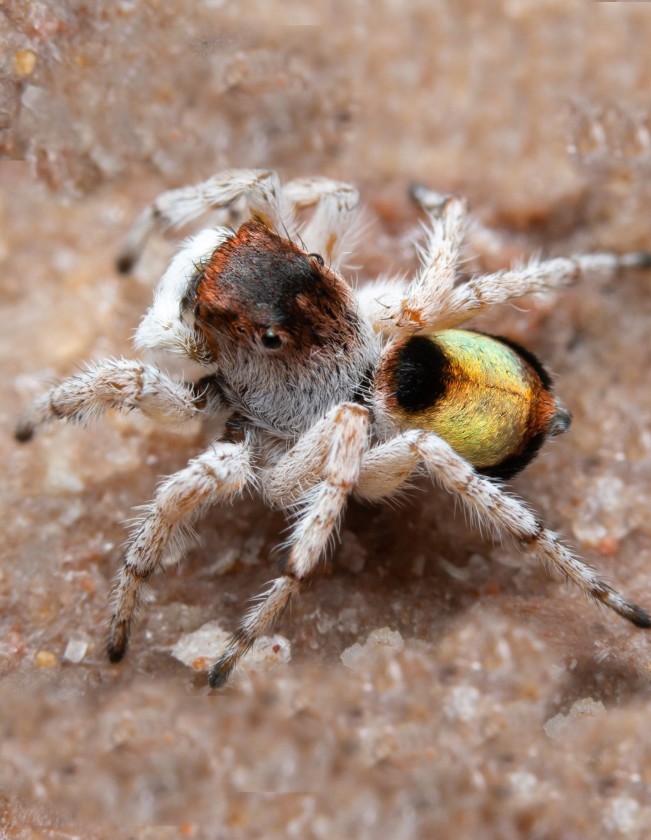
M. volpei named for the photographer that discovered it. (Nick Volpe)
Schubert, a Museums Victoria legacy registration officer in entomology and arachnology, was once afraid of spiders and kept them as pets to overcome his phobia. He has now documented a total of 12 new peacock spider species, publishing a description of these latest finds in the journal Zootaxa, complete with intricate details of their courtship displays.
These seven additions bring the total number of known peacock spider species to 85.
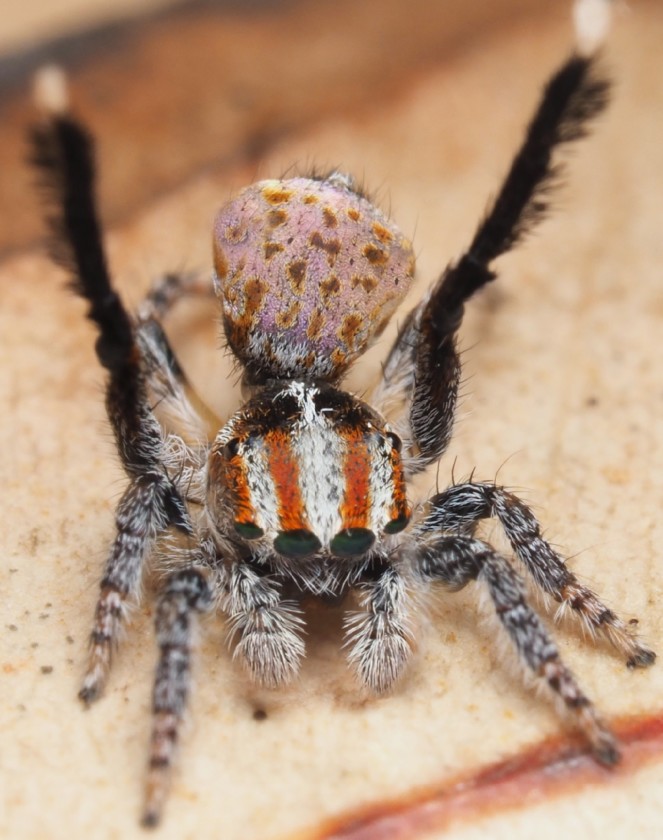
M. noggerup. (Joseph Schubert)
„Some of the species in this paper were discovered by citizen scientists who documented the localities and sent images to me – their help is so important for this kind of research,” Schubert explained.
He discovered some of the new species on a field trip to Western Australia, while another was from South Australia and one from Victoria.
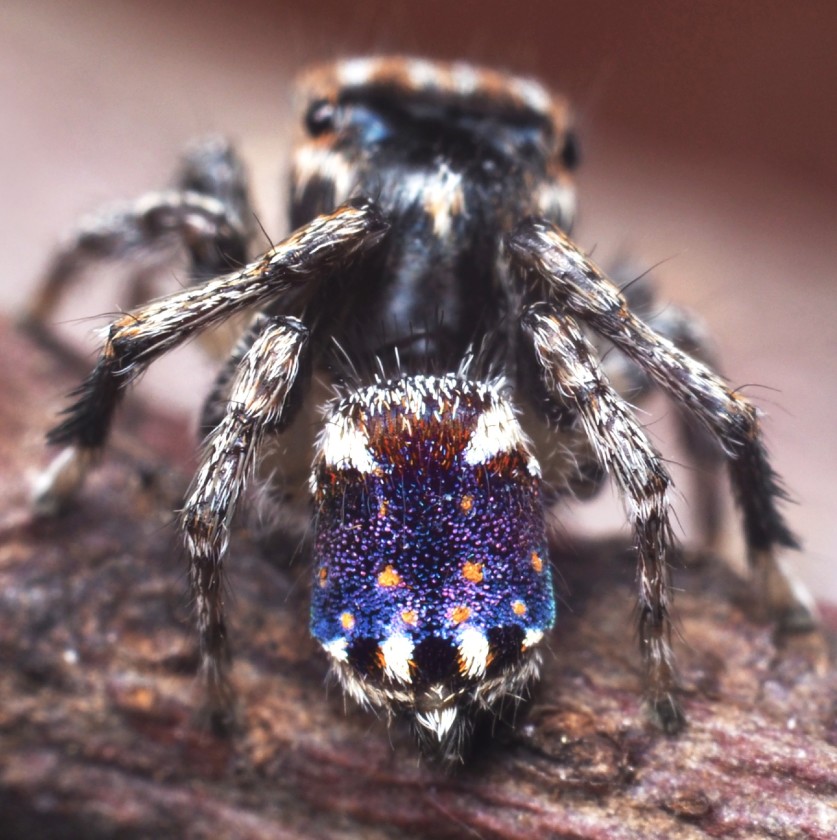
His favourite species so far is M. constellatus.
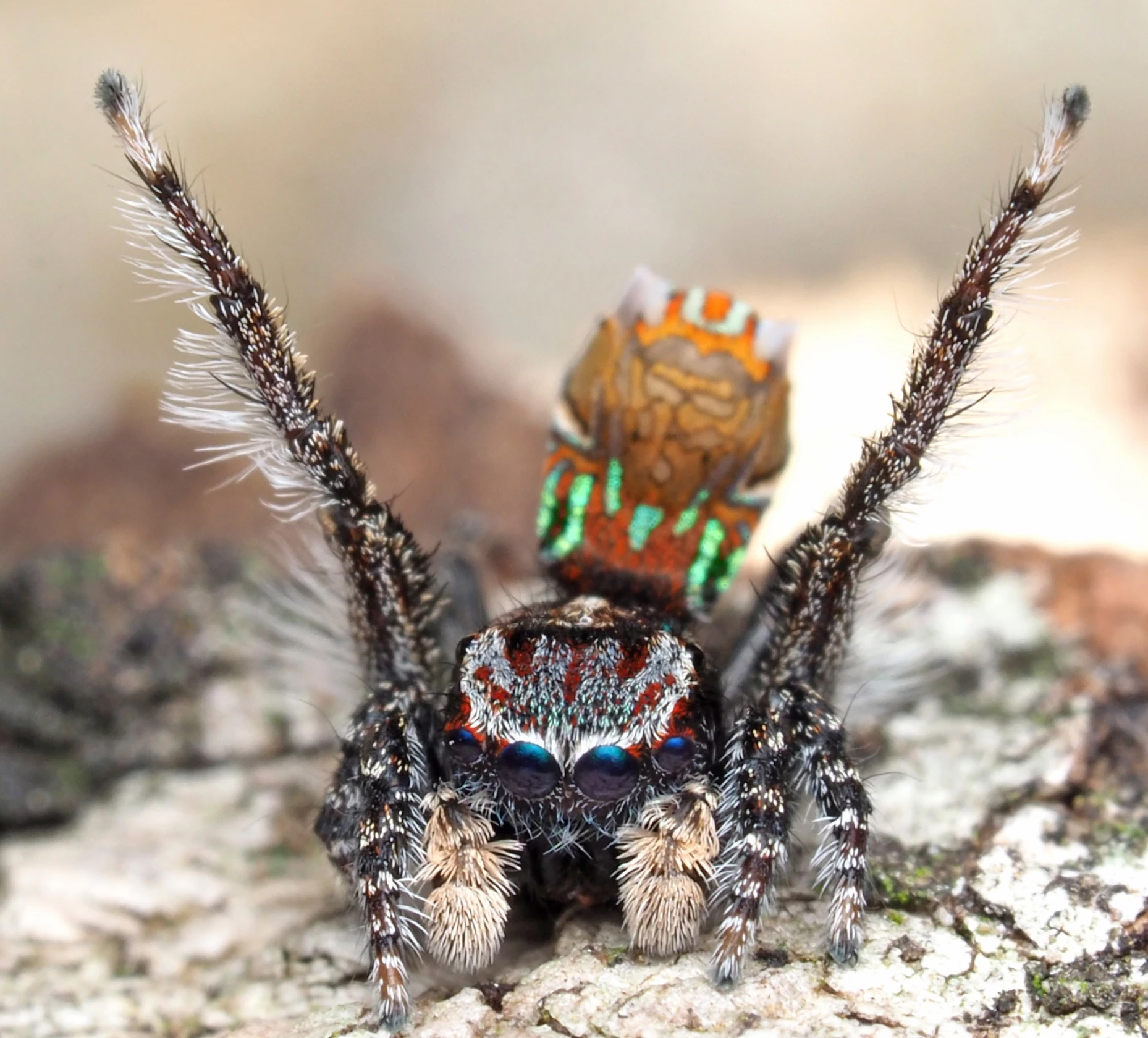
M. constellatus. (Joseph Schubert)
„It’s such a nice looking species,” Schubert said. „The pattern reminds me of The Starry Night by Van Gough. Plus I travelled a very, very long way to find it!’
To get a better idea of just how tiny these ornate beasties are, check out entomologist Jurgen Otto’s gallery.
Adult male of M. spicatus on a regular pencil. (Jurgen Otto)
M. suae. (Joseph Schubert)
Otto, who works for the Department of Agriculture by day, has been involved in identifying many peacock spiders and helped kick off their viral fame with YouTube videos, such as this one of a coastal peacock spider’s courtship dance. He suspects there aren’t that many new species left to discover now.
„There are now quite a few people looking, mostly photographers and mostly they are finding the same species. Having said that it is still worth looking, a couple will be still out there,” Otto told ScienceAlert.
„If new ones turn up now they tend to be species that are very similar to ones previously described, and in the future people may argue whether these are truly new and different species or local variants of species already described.”
M. inaquosus. (Joseph Schubert)
Peacock spiders belong to the arachnid family of jumping spiders. Their big-eyed flashy cuteness is not the only endearing feature of this group. Some species nurse their babies on spider milk and others can stargaze or take on proportion-breakingly-massive prey.
M. laurenae. (Joseph Schubert)
We look forward to seeing what other surprises these new species have to offer the world.
Păianjenii păun (genul Maratus) sunt renumiți pentru părțile dorsale extrem de viu colorate ale masculilor și pentru dansurile lor de curtare fermecătoare.
Sunt unici în Australia și, chiar dacă sunt veninoși, acești păianjeni sunt complet inofensivi pentru oameni – vânând muște minuscule și alte insecte mici.
„Aș descrie păianjenii de păun ca pe niște pisoi minusculi, mici și colorați”, a spus Joseph Schubert pentru Tom Edwards, la Australian Broadcasting Corporation.
„Au personalități proprii și sunt incredibil de mici – cam de mărimea unui bob de orez”.
(Joseph Schubert)
Lui Schubert, Museums Victoria legacy registration officer în entomologie și arahnologie, i-a fost cândva frică de păianjeni și i-a ținut ca animale de companie pentru a-și depăși fobia. El a documentat acum un total de 12 noi specii de păianjeni păun, publicând o descriere a acestor ultime descoperiri în jurnalul Zootaxa, completată cu detalii intrigante ale dansurilor lor de curtare.
Aceste șapte adăugări aduc numărul total de specii de păianjen de păun cunoscute la 85. „Unele dintre speciile din această lucrare au fost descoperite de oamenii de știință care au documentat și mi-au trimis imagini – ajutorul lor este foarte important pentru acest tip de cercetare”, a explicat Schubert.
El a descoperit una dintre noile specii într-o excursie pe teren în Australia de Vest, alta în Australia de Sud și una în Victoria.
Specia sa preferată până acum este M. constellatus.
„Este o specie atât de drăguță”, a spus Schubert. „Modelul îmi amintește de The Starry Night de Van Gough. În plus, am călătorit un drum foarte, foarte lung, pentru a o găsi!”
Pentru a vă face o idee mai bună despre cât de mici sunt acestia, consultați galeria entomologului Jurgen Otto. Otto, care lucrează la Departamentul Agriculturii, a fost implicat în identificarea multor păianjeni păun și a încărcat videoclipuri pe YouTube, cum ar fi acesta dintr-un dans de curte al păianjenului păun. El bănuiește că acum nu mai sunt multe specii noi rămase de descoperit .
„Acum sunt destul de mulți oameni care caută, dar în mare parte aceștia găsesc aceeași specie. „, a spus Otto pentru ScienceAlert.
„Dacă apar unele noi acum, acestea tind să fie specii care sunt foarte asemănătoare cu cele descrise anterior, iar în viitor oamenii pot argumenta dacă acestea sunt cu adevărat specii noi și diferite sau variante locale ale speciilor deja descrise”.
Păianjenii păun aparțin familiei arahnide a păianjenilor săritori. Capul lor plin de ochi strălucitori nu este singura caracteristică minunată a acestui grup. Unele specii își alăptează bebelușii cu lapte de păianjen, altele se pot juca sau pot să-și împartă proporțional prada cu ceilalți membri ai grupului .
Așteptăm cu nerăbdare să vedem ce alte surprize au aceste lumi noi.
Cred în soarta lucrurilor supusǎ oamenilor. Dar şi în cea nesupusǎ acestora şi tainicǎ. Se naşte un mimetism cu noi înşine al obiectelor care ne îngǎduie viața în preajma lor ajungȃnd prin capriciile timpurilor sǎ primeascǎ în destinul lor mut nebǎnuite geografii sentimentale. Mǎ fascineazǎ migrația obiectelor dintr-un colț în altul al existenței lor. Depǎşesc […]







 Mihail stories