Ni se expiră termenul de garanție la majoritatea depozitelor pe care le aveam pregătite în iminența unui război nuclear.
China și Europa să fie calme. Avem a asigura hrană pentru trei ani și șapte sute de milioane de oameni.
Tot ceea ce ne putem imagina este real
Ni se expiră termenul de garanție la majoritatea depozitelor pe care le aveam pregătite în iminența unui război nuclear.
China și Europa să fie calme. Avem a asigura hrană pentru trei ani și șapte sute de milioane de oameni.
Bine, bine, am înțeles! dar cu imprimanta mea ce-ați avut fraților de mi-ați băgat-o în carantină?
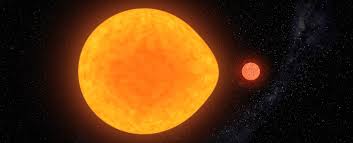

Universul ne oferă încă o surpriză și, de data aceasta, este practic sub nasurile noastre. La doar 1.500 de ani lumină distanță, astronomii au găsit o stea care pulsează – dar numai pe o parte. Deși un astfel de obiect a fost prevăzut cu zeci de ani în urmă, aceasta este prima dată când a fost văzut.
„Am știut teoretic că stele ca acestea ar trebui să existe încă din anii ’80, a spus astronomul Don Kurtz de la Universitatea din Lancashire Centrală din Marea Britanie.
„Caut o stea ca asta de aproape 40 de ani și acum am găsit în sfârșit una.”
Steaua se numește HD74423, o stea cu secvența principală de tip A, de aproximativ 1,7 ori mai mare decât masa Soarelui, și mai tânără.
Ciudatul său comportament pulsant a fost observat pentru prima dată de oamenii de știință amatori, care au folosit date de pe NASA’s exoplanet-hunting space telescope TESS, în căutarea anomaliilor.
Neînțelegând ceea ce vedeau, ei și-au dus descoperirile la astronomii profesioniști, la astronomul Gerald Handler de la Centrul astronomic Nicolaus Copernicus din Polonia.
Pulsările în interiorul unei stele nu sunt neobișnuite. Multe stele – poate chiar toate stelele – oscilează în tipare ritmice, cauzate de valuri gravitaționale care se ridică în jurul stelei. Aceste unde sunt considerate a fi create prin convecție și câmpul magnetic al stelei; la fel precum cutremurele pot fi folosite pentru a sonda adâncurile Pământului, valurile pot dezvălui ce se întâmplă în interioarele stelare.
Dar în toate celelalte stele anterioare HD74423, aceste oscilații ar putea fi detectate la nivel global; adică pe toată suprafața stelei. Deci, de ce este HD74423 o ciudățenie?
Ei bine, are un prieten. Un prieten foarte apropiat. Însoțitorul binar al stelei pulsante este un pitic roșu, iar cei doi sunt blocați într-o orbită super-strânsă de doar 1,6 zile. La această apropiere, gravitatea piticului roșu distorsionează HD74423, trăgându-l în mai multe forme de ou sau lacrimă.
Și nu este doar materialul HD74423 care este tras. Însoțitorul piticului roșu distorsionează, de asemenea, oscilațiile stelei mai mari. Aceasta este ceea ce provoacă un comportament ciudat.
„Pe măsură ce stelele binare orbitează reciproc, vedem diferite părți ale stelei pulsante”, a spus astronomul David Jones de la Institutul de Astrofisică de Canarias din Spania. „Uneori vedem partea care îndreaptă spre steaua însoțitoare, iar alteori vedem fața exterioară”.
Dar acesta nu este singurul lucru ciudat despre HD74423. Pe măsură ce cercetătorii au început să examineze mai îndeaproape obiectul, astronomul Simon Murphy de la Universitatea din Sydney din Australia observa câteva abundențe chimice neobișnuite.
„Ceea ce mi-a atras atenția pentru prima dată a fost faptul că a fost o stea ciudată din punct de vedere chimic”, a spus Murphy. „Stelele ca acestea sunt de obicei destul de bogate în metale – dar acesta este săracă în metal, destul de rar la stele fierbinți.”
Metalicitatea scăzută este una dintre caracteristicile definitorii ale stelelor cu adevărat vechi, dar HD74423 este diferită. Este un tip de obiect din punct de vedere chimic cunoscut sub numele de stea Lambda Boötis, iar metalicitatea sa scăzută este considerată a fi rezultatul stelei care pierde gazul epuizat în metal din mediul său imediat.
Acest lucru nu are absolut nicio legătură cu oscilațiile înclinate ale stelei. Este o coincidență totală. Dar unul cu adevărat fericit, rezultatul final fiind un profil mai complet al unei stele, care este doar o probabilitate totală în mai multe moduri.
„Avem un acord foarte colegial, în calitate de astronomi stelari care lucrează la datele TESS, că împărtășim rezultatele noastre în cadrul comunității noastre de lucru înainte de a le trimite la jurnal”, a declarat Murphy pentru ScienceAlert.
„Atunci am fost două grupuri care și-au dat seama că lucrează la aceeași stea și ne-am unit. Este un aranjament de lucru rar, chiar și în mediul academic.”
Acum că știm ce să căutăm, astronomii cred că vom găsi mult mai multe stele îndepărtate acolo, ascunse la vedere.
Motivul pentru care idiosincrasiile stelei nu au fost observate până acum este din cauza instrumentelor disponibile. TESS privește regiuni mult mai mari ale cerului, colectând date despre sute de mii de stele.
În plus, ochii umani sunt mult mai buni la observarea discrepanțelor și a blipsurilor din date decât AI. În prezent, există peste 16.000 de voluntari care se combină prin observațiile TESS care caută planete și alte evenimente neobișnuite (vă puteți înscrie aici dacă sunteți interesat). Este foarte mult un joc de numere.
„Când ai o revoluție în calitatea datelor ca aceasta, deseori observi noi fenomene”, a spus Murphy. „S-ar putea să găsim multe mai multe dintre aceste stele cu pulsări inegale, dar sunt încă destul de rare. Doar dacă observi sute de mii de stele, poți găsi ocazional obiecte super rare.”
„I am fully prepared to use the full power of the Federal Government to deal with our current challenge of the CoronaVirus!”
@realDonaldTrump
Virusul nu poate fi antrenat decât de către o tuse: feriți-vă!
Virusul rezistă inactiv pe suprafețe până la 7 zile: evitați atingerea unor suprafețe cu trafic intens. Dacă este musai (balustrade, scări rulante, etc. ) vă ștergeți pe mâini imediat cu un șervețel umed pe care-l aruncați în cel mai apropiat coș de gunoi.
Nu atingeți fața cu mâna. Folosiți pentru asta un șervețel (Atenție! reflexul de a vă șterge la ochi sau de a atinge nasul trebuie atent stăpânit).
Hainele de stradă trebuiesc să fie puse într-un dulap separat sau direct în mașina de spălat ( avem suficiente haine pentru un rulaj de 3-4 zile până se usucă celelalte).
Toate alimentele să fie fierte, fie trecute prin microunde sau UV.
Hai!
Ce e mai rău, catastrofal aproape, este că se produce o segregare după opinii, după valori în genere, astfel încât mediul online devine foarte părtinitor.

 Mihail stories